Bull Run is soft (about 7–11 ppm / 0.5 gpg). Groundwater about 80 ppm / 5 gpg when they use it. Chloramine residual. Private wells in the metro are not this file.
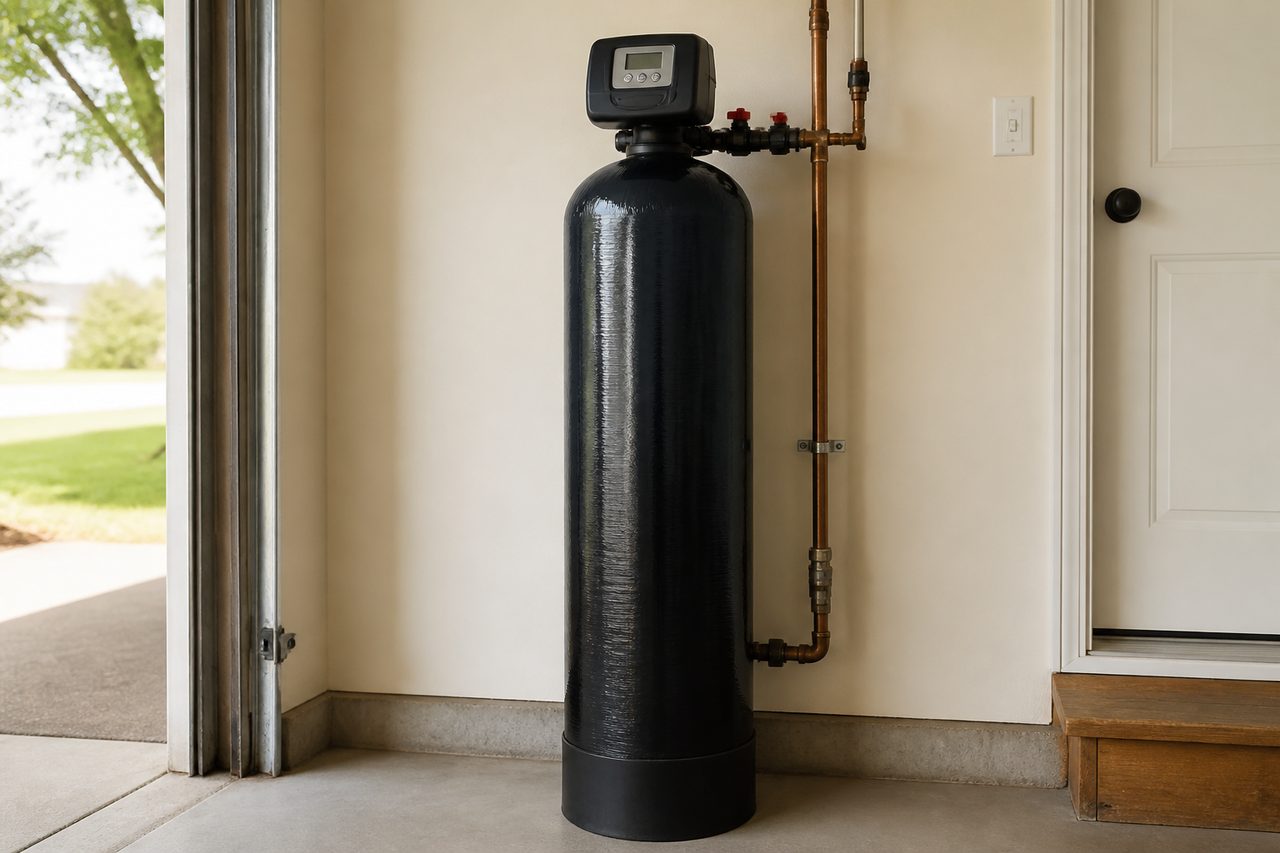
No district prohibition found in current research. No Portland BES prohibition comparable to LACSD Measure S turned up. On Bull Run water a salt softener is usually the wrong machine anyway. Private wells in Clackamas or Washington County are not this sewer search.
Hardness (as published)
Bull Run (typical supply): 7–11 ppm total hardness, about ½ grain per gallon. Columbia South Shore groundwater: about 80 ppm / 5 gpg. April 2026 supplemental table: Bull Run hardness 6.6 ppm (0.39 gpg). — Portland Water Bureau 2025 and 2026 Drinking Water Quality Reports; Drinking water test results page; Supplemental Water Quality Data April 2026
Disinfectant (as published)
Chlorine, then ammonia to form chloramine. Target entry-point chlorine about 2.2–2.5 mg/L by season. Total chlorine residual is what they report. — Portland Water Bureau 2025/2026 Drinking Water Quality Reports; About Portland’s drinking water quality
What actually fits
Some links are affiliate links. If you buy through one, we may earn a commission. That does not change the match, and it is not a medical claim.
As an Amazon Associate we earn from qualifying purchases.
If a dealer is selling you a softener anyway
This supply is soft on the published numbers. A salt tank is usually the wrong box unless you are on a well or a different utility. Test the tap before you buy hardness equipment.
If you are shopping a PFAS listing for the kitchen
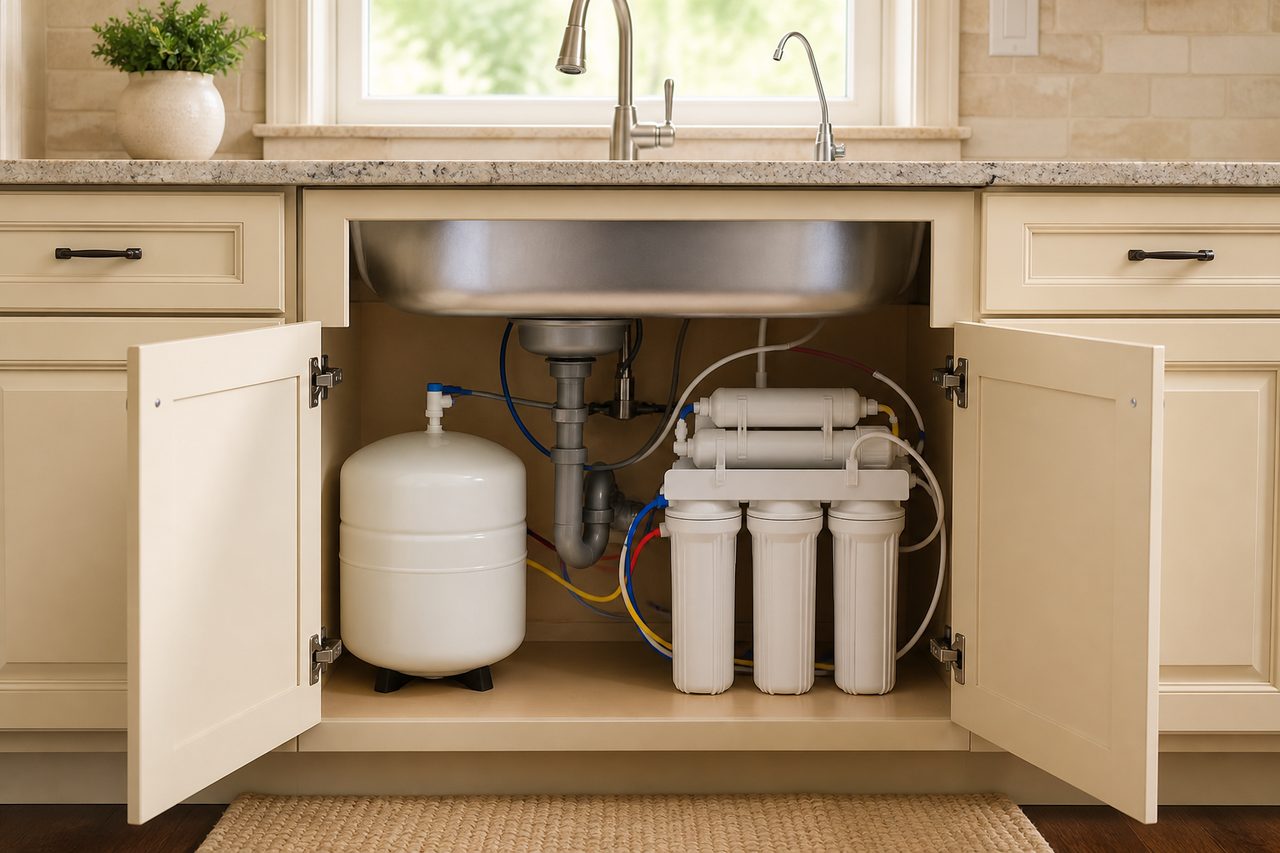
Under-sink reverse osmosis: filters, tank, and a second faucet.
A pitcher or under-sink RO whose exact model is listed for PFAS under NSF/ANSI 53 or 58. The RO shop link is Waterdrop. Pitchers stay on a tagged Amazon search. We have not picked a model.
Portland is the soft-water / chloramine file, and the first Oregon file. Bull Run is not a well in Oregon City.
What the Water Bureau publishes
Bull Run hardness is typically 7–11 ppm (about 0.5 gpg). Groundwater from the Columbia South Shore Well Field is about 80 ppm / 5 gpg and is not the everyday source. Supplemental April 2026 data printed Bull Run hardness at 6.6 ppm.
Treatment: chlorine, then ammonia (chloramine residual), plus corrosion control (soda ash and carbon dioxide on Bull Run).
Wells in the metro
Clackamas, Washington County, and private wells can be hard, iron, or sulfur. That is iron/sulfur and a lab, not this Bull Run page.
Salt discharge
unrestricted-as-of-research. A brine tank on half-grain water is still the wrong box.