Phoenix is the first sizing file: very hard city water, published as a range, chlorine rather than chloramine on the city’s own FAQ, and a lot of kitchen-table quotes that start with bathroom count.
What the city publishes
The 2025 Water Quality Report covers about 1.7 million residents. Source water is mostly surface water from the Salt, Verde, and Colorado rivers (SRP and CAP), plus a small well share. Aesthetic notes include hardness scale on fixtures and heaters, and seasonal algae taste/odor in canals.
Hardness is printed as 172–302 ppm / 10–17.6 gpg. Iron is listed ND–30 ppb against a 300 ppb secondary standard — not a city-water iron-filter problem. The report also lists sodium 91–183 ppm and TDS 464–716 ppm as aesthetic/unregulated parameters. Those are system ranges, not a reason to invent health claims.
Water Services FAQs state the supply is disinfected with chlorine, with a residual around 1.0 ppm, inside the federal residual window. Vendor pages that say “the Valley uses chloramine” are not this city’s sentence. Adjacent utilities can differ; read the CCR for the address.
Salt discharge
Research for this first ship did not find a Phoenix analogue to LACSD’s automatic-softener prohibition. That is recorded as unrestricted-as-of-research, which is not a legal opinion. HOAs, specific county islands, and future ordinances can still bind a lot. Ask the sewer agency. If you find a primary-source restriction, the next edit to this file should change the enum and cite the district.
What to match here
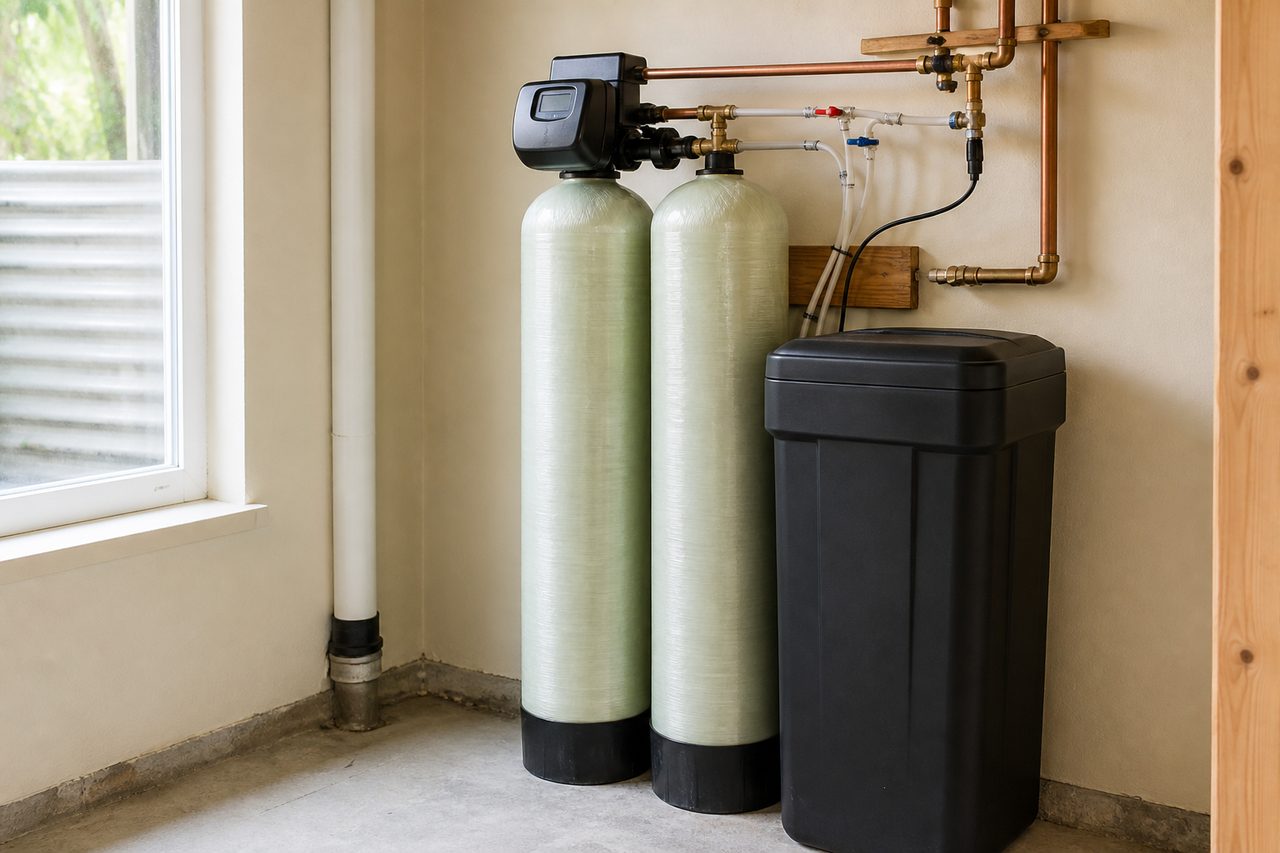
- Softening: grain capacity vs peak flow, then how to read the quote.
- Chlorine taste only: whole-house carbon.
- Scale without salt: what salt-free is not.
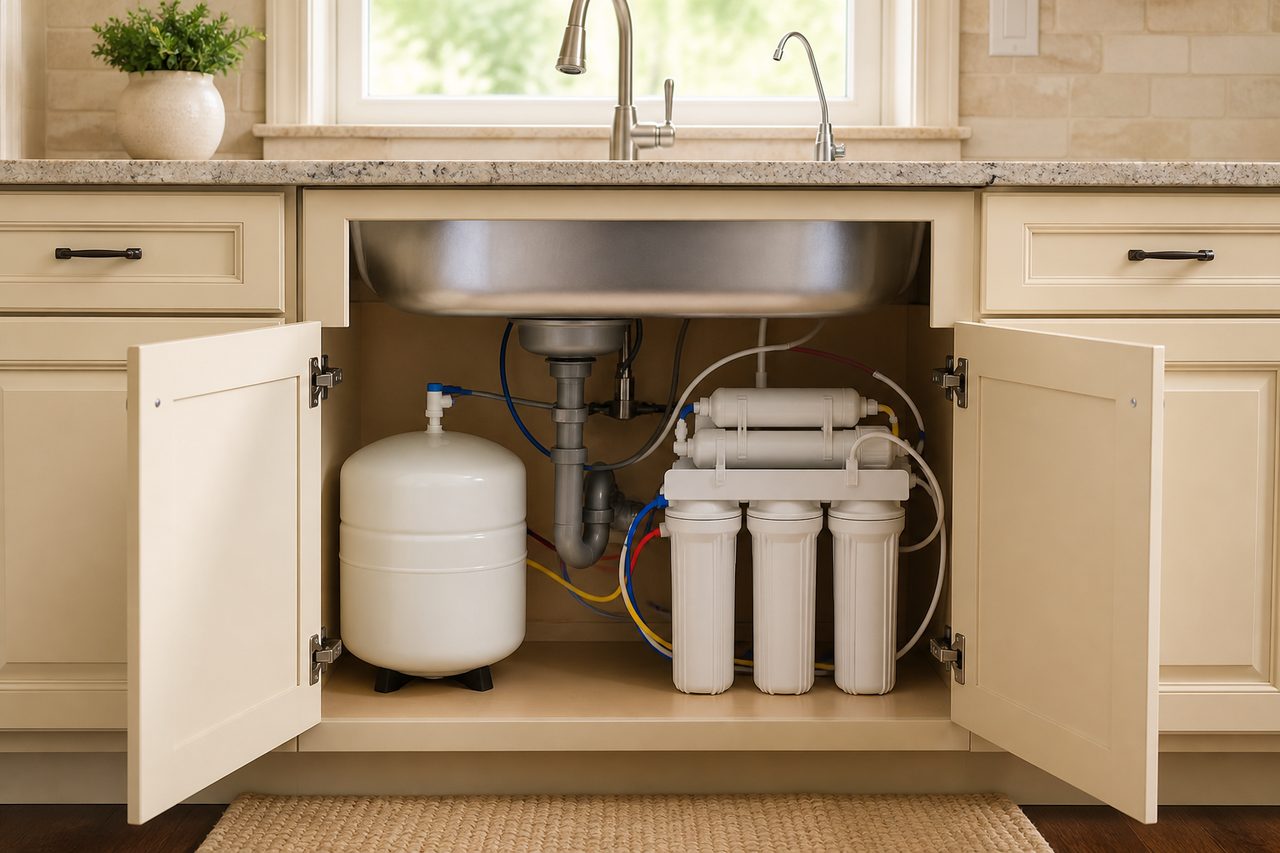
- PFAS at the tap: 53/58 language after you check whether Phoenix has published PFAS results you care about.
Adding another Arizona city
Copy this file. Replace the WQR URL and the hardness string with that utility’s published numbers. Do not copy Phoenix’s 10–17.6 gpg onto Scottsdale or a private well.