No district prohibition found in current research. No Denver Water or Metro Wastewater prohibition comparable to LACSD Measure S turned up. Ask the sewer utility on the bill. This is not a legal opinion.
Hardness (as published)
2025 sampling in the 2026 Water Quality Report: total hardness average 105,009 ppb (about 105 mg/L as CaCO3), range 55,000–124,000 ppb (55–124 mg/L). Moderately hard on the USGS scale. — Denver Water 2026 Water Quality Report (2025 data)
Disinfectant (as published)
Total chlorine residual in the distribution system (chloramine). Denver Water reports total chlorine, not free-chlorine-only. — Denver Water 2026 Water Quality Report; Denver Water treated-water reporting practice (total chlorine)
What actually fits
Some links are affiliate links. If you buy through one, we may earn a commission. That does not change the match, and it is not a medical claim.
As an Amazon Associate we earn from qualifying purchases.
If soap will not lather and the glassware looks chalky
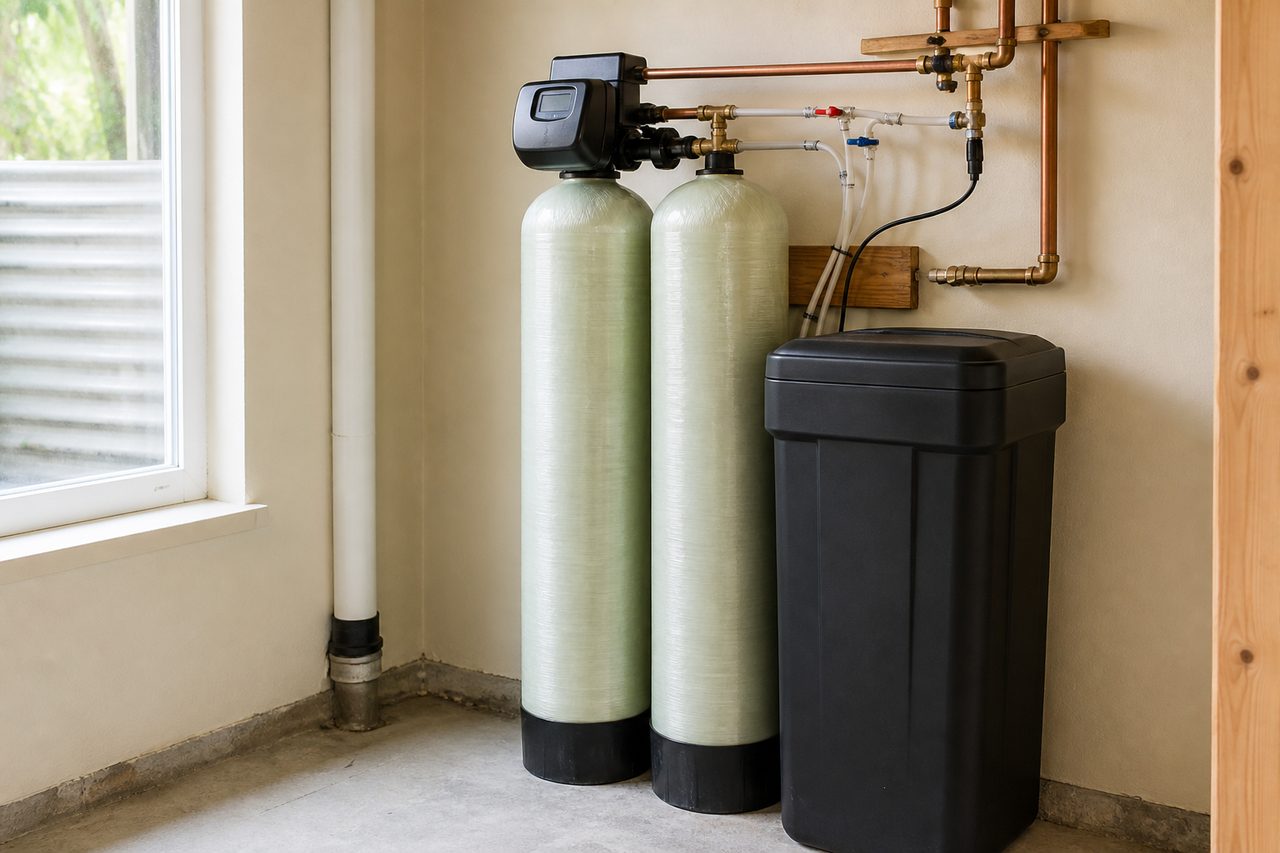
Salt-based softener: two mineral tanks and a brine tank.
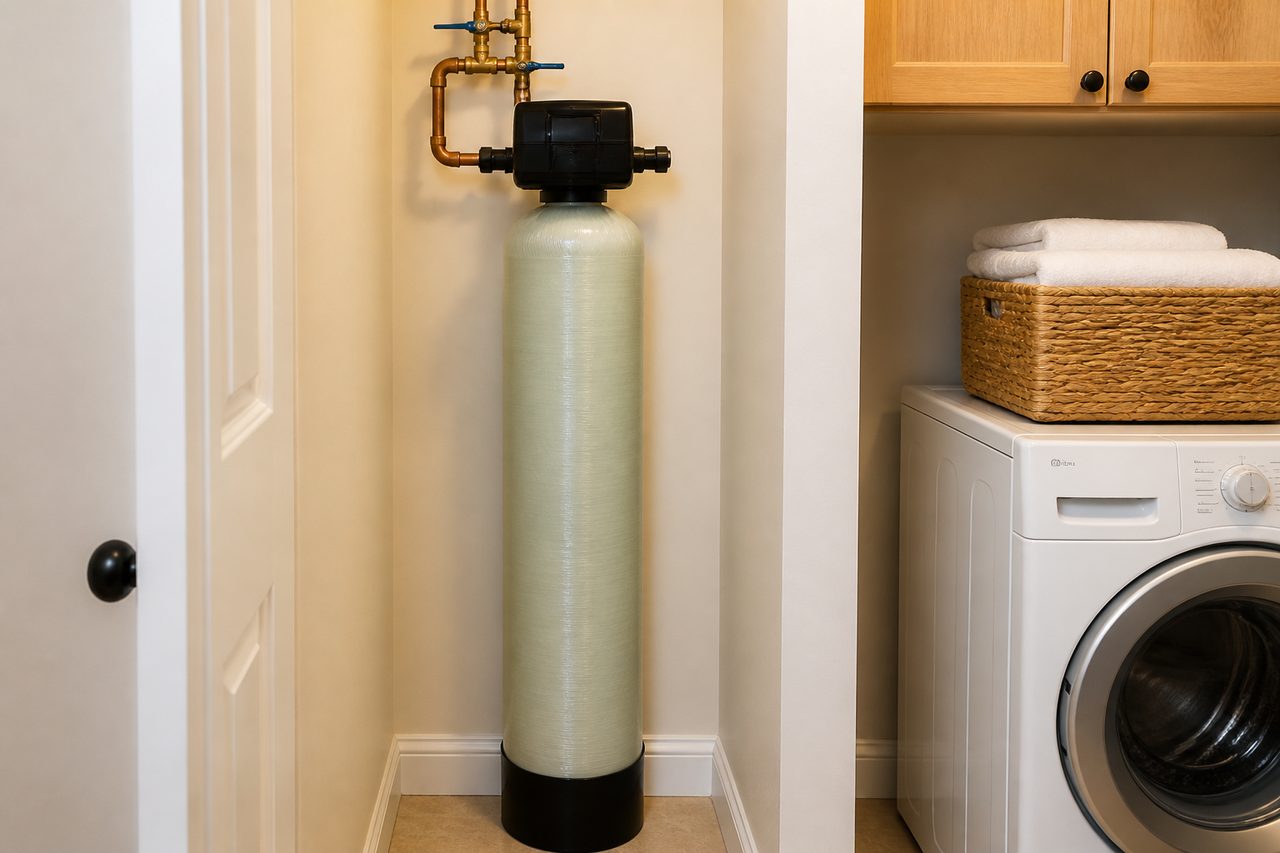
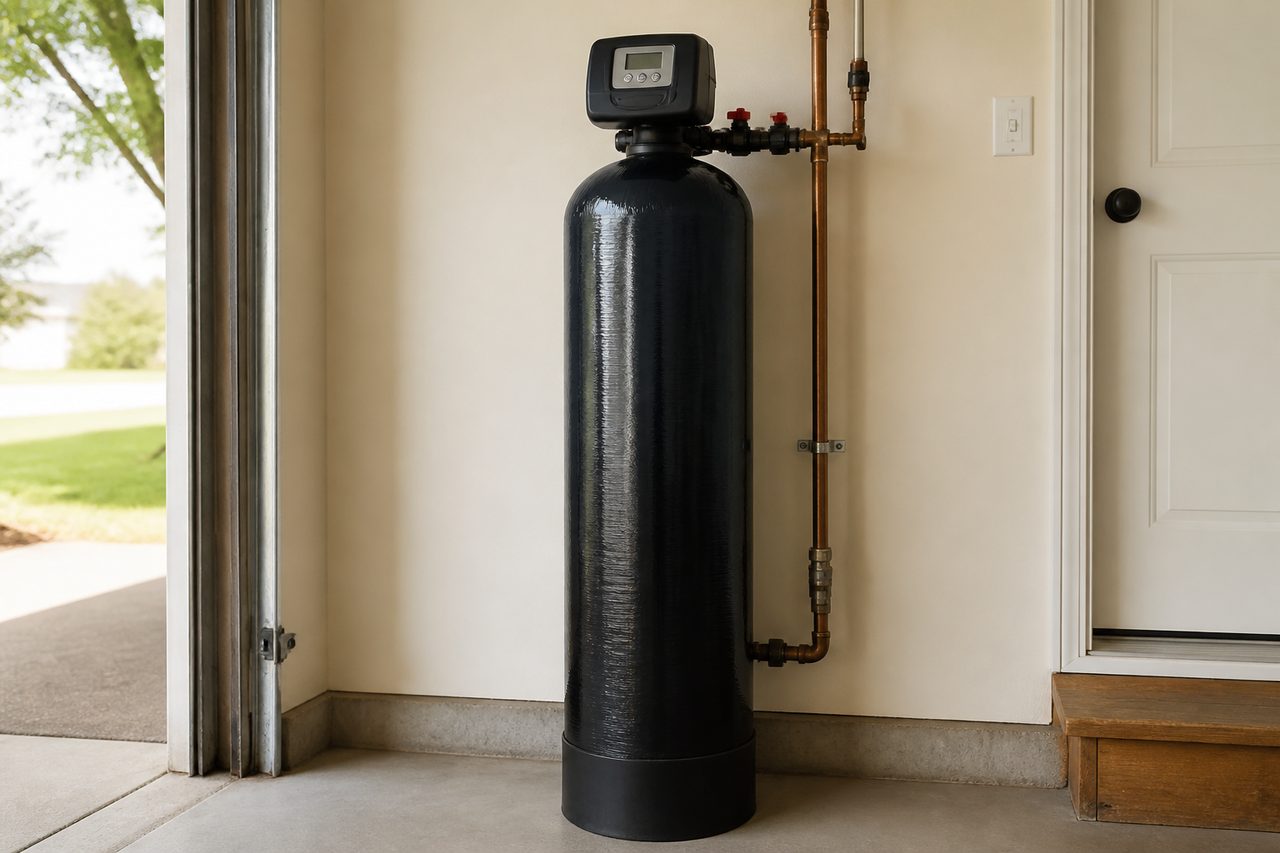
A salt-based softener is the thing that actually removes hardness. Size it from your grains and how much water you use, not bathroom count. It needs a drain.
If you are shopping a PFAS listing for the kitchen
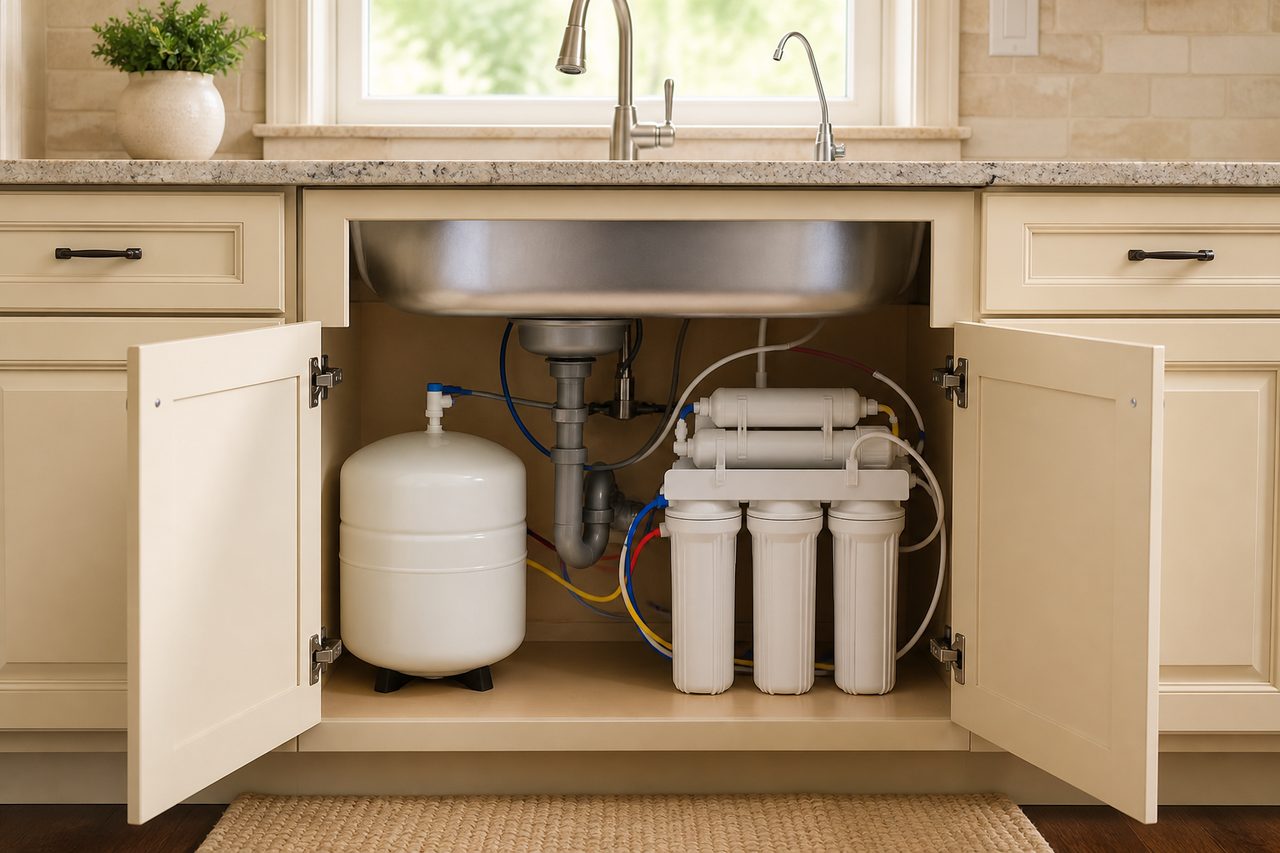
Under-sink reverse osmosis: filters, tank, and a second faucet.
A pitcher or under-sink RO whose exact model is listed for PFAS under NSF/ANSI 53 or 58. The RO shop link is Waterdrop. Pitchers stay on a tagged Amazon search. We have not picked a model.
Denver is a moderately hard, chloramine file. Snowmelt is not Las Vegas.
What Denver Water prints
The 2026 report (2025 samples) lists total hardness averaging ~105 mg/L, range 55–124 mg/L. They print it in ppb (105,009 ppb). That is the same number.
Disinfectant residual is reported as total chlorine — the chloramine residual in the pipes. A chlorine-only carbon listing is the wrong box.
Salt discharge
unrestricted-as-of-research.
What to match here
Hardness: maybe a softener, maybe not. 6 gpg is not 16. Read the quote.